The Camera Is Only Part of the Problem
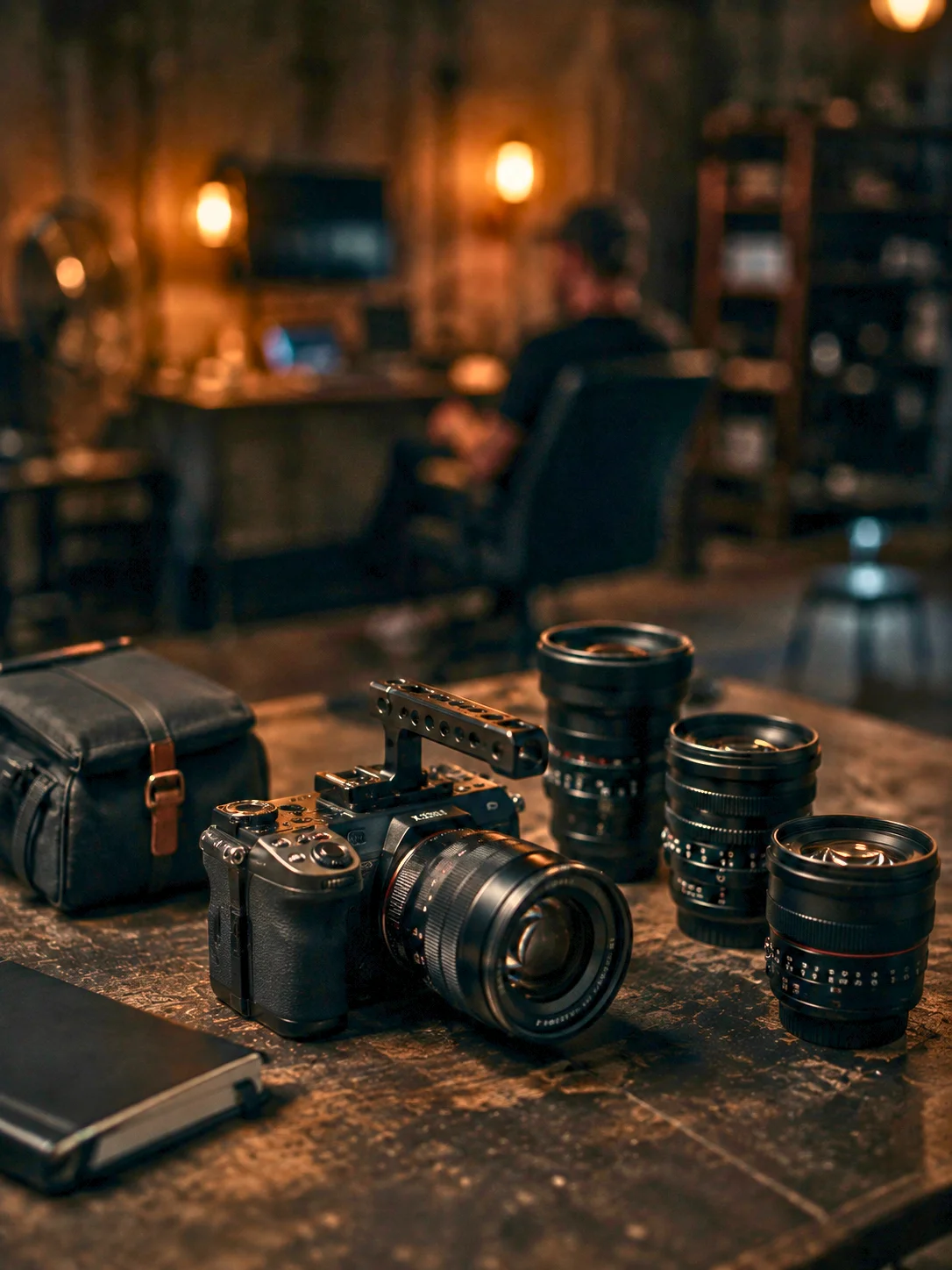
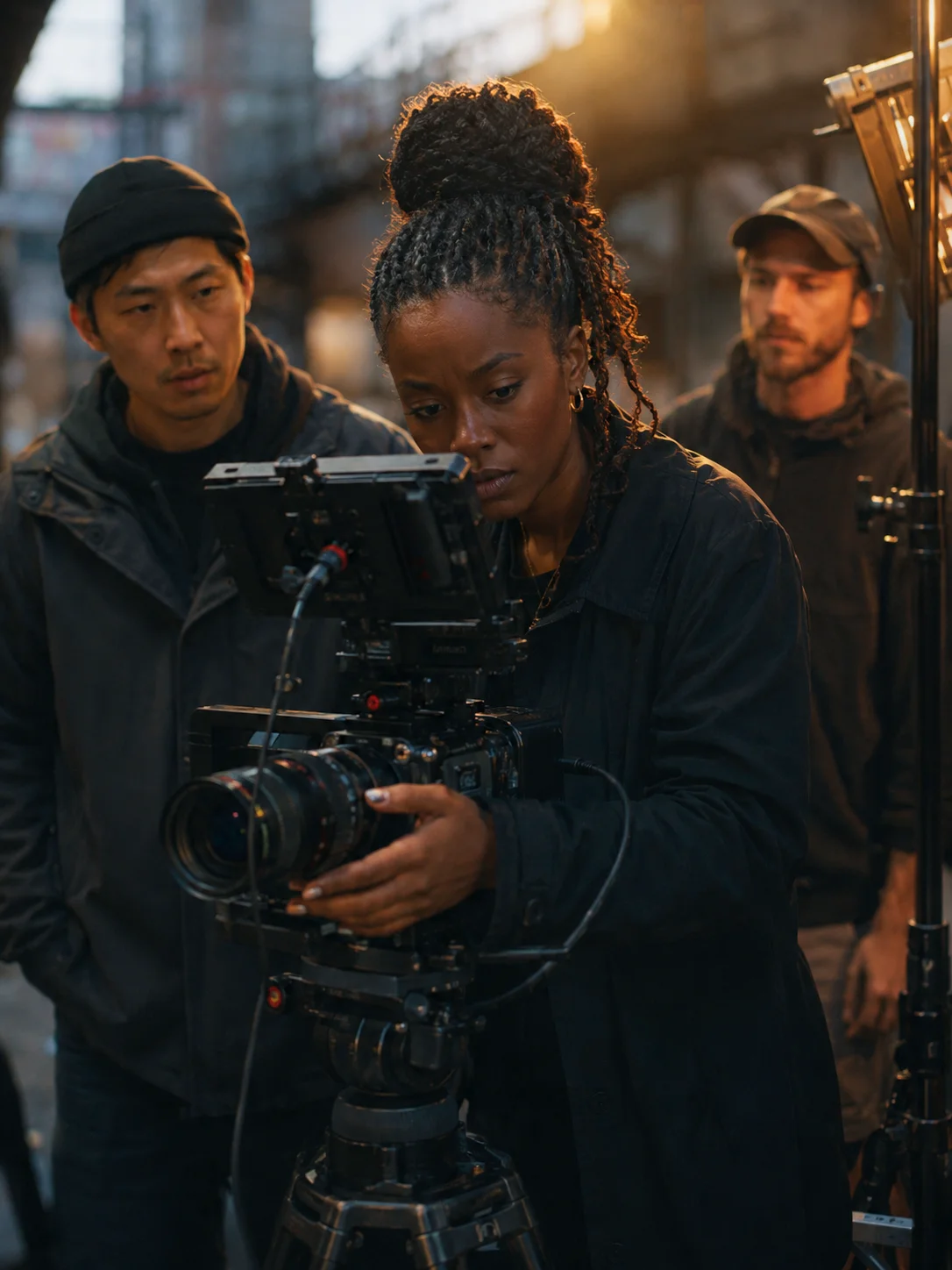
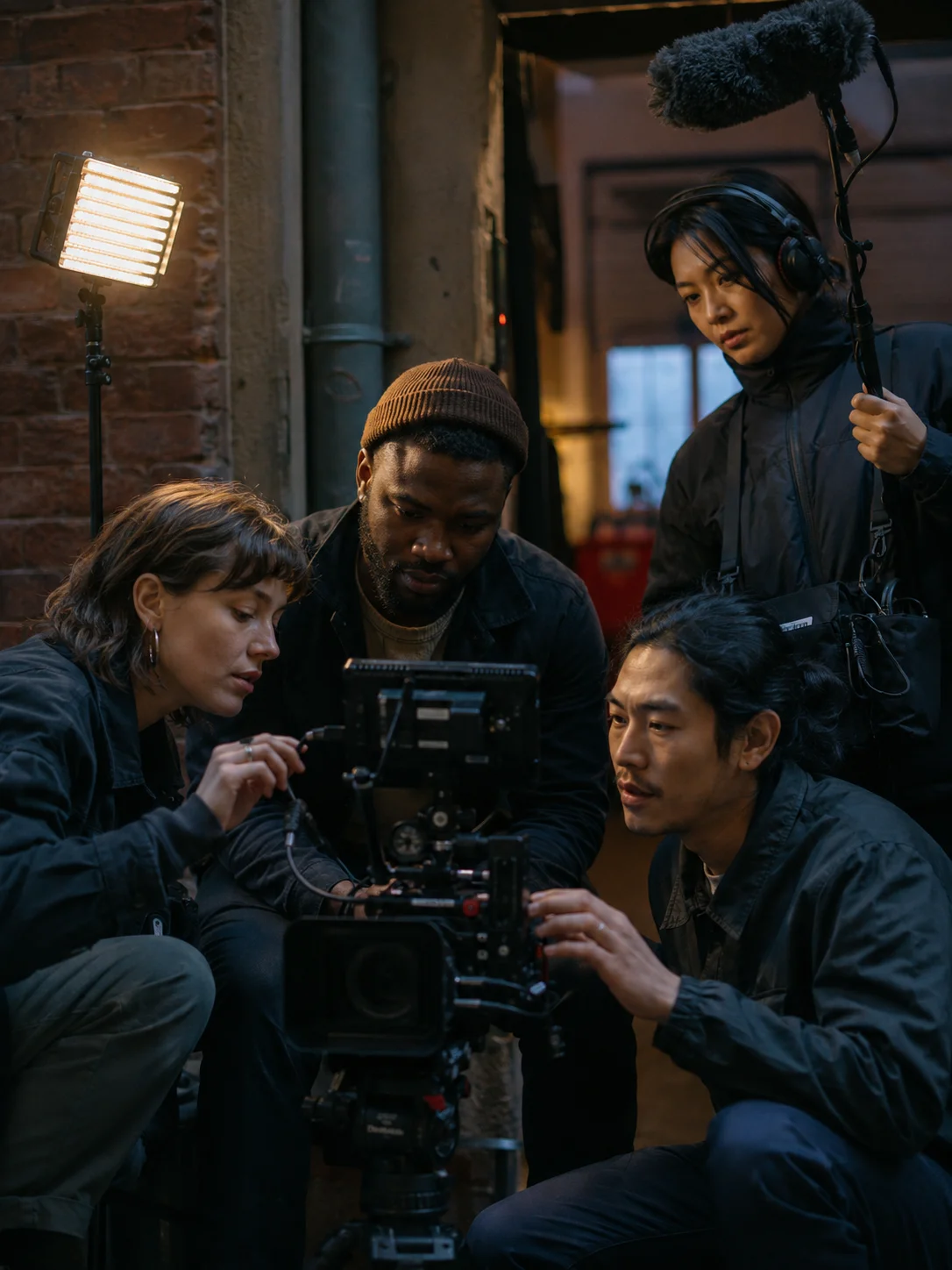
Anybody who has actually tried to make a movie knows the camera is only one part of the problem. Sometimes the real filmmaking starts when something goes wrong.
The location you thought was locked in suddenly isn’t available. Somebody is late. The weather changes. The room sounds terrible. A light stops working. You realize the shot you planned looked better in your head than it does in the camera.
That’s filmmaking.
And this is where all the talk about having better and cheaper equipment can get a little misleading.
Yes, today’s cameras are incredible. You can get a beautiful image without spending the kind of money filmmakers once had to spend. But a better camera doesn’t solve a bad location, weak sound, poor lighting, a rushed performance, or a scene that simply isn’t working.
Sometimes you have to move the camera somewhere you never planned to put it.
Sometimes you have to rewrite something right there on set.
Sometimes the thing you thought was a problem ends up giving you a better scene.
That ability to adjust matters more than people realize.
A filmmaker with limited equipment who knows how to solve problems can often get further than somebody surrounded by expensive gear who freezes the minute the original plan falls apart.
That’s also why experience still matters in this new era.
Technology can make certain parts of filmmaking easier. It can speed things up. It can give independent filmmakers more options.
But it can’t make every decision for you.
At some point, somebody still has to look at what’s happening in front of the camera and say, “This isn’t working. Let’s figure out another way.”
And a lot of the time, that’s where the movie actually gets made.
The Barrier to Entry Has Changed
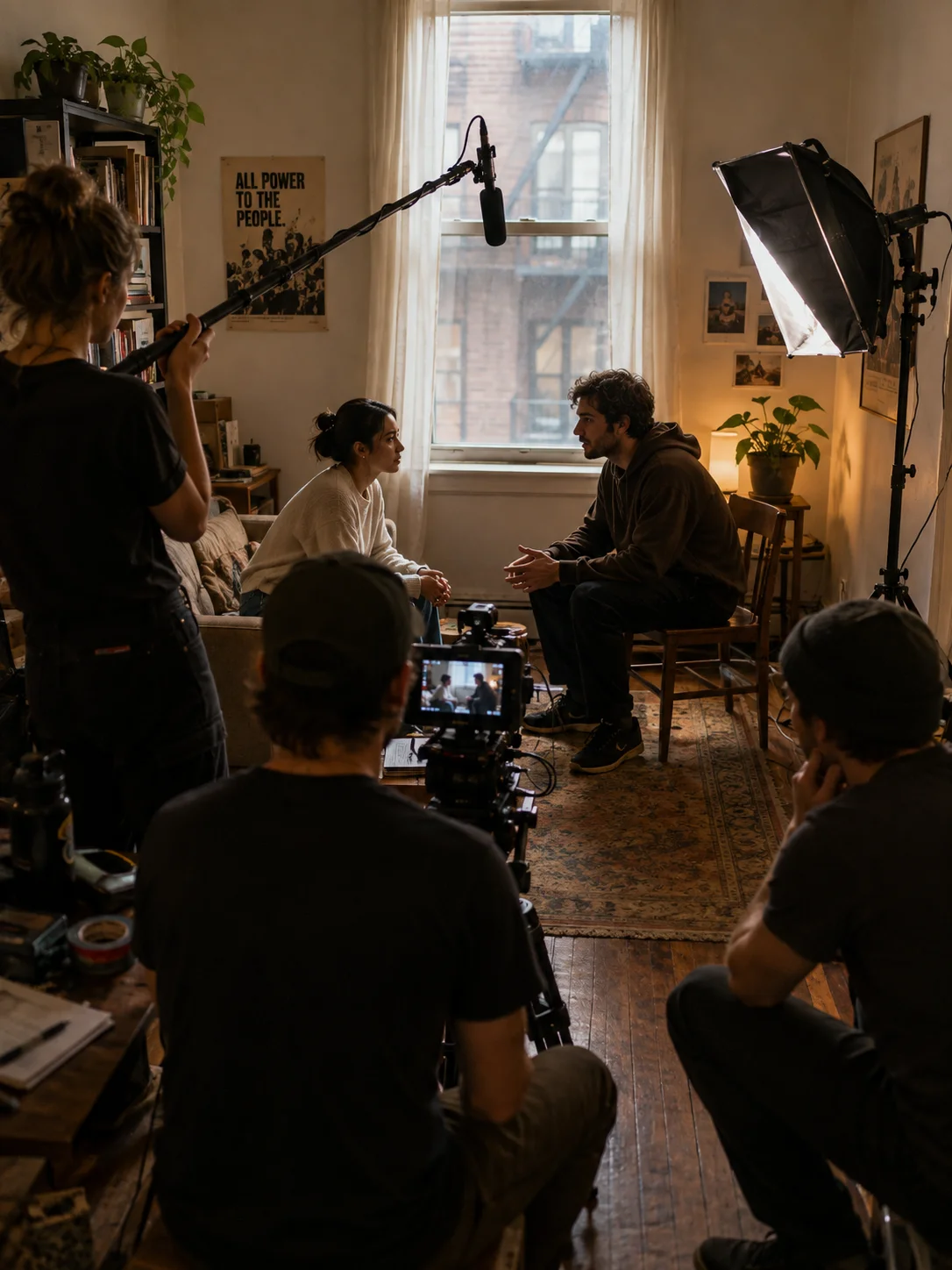
There was a time when just getting started could stop you before you ever shot a scene.
The camera cost too much. Editing required access to equipment you probably didn’t own. Sound gear, lighting, storage, locations, transportation, crew — all of it added up fast.
And if you didn’t know the right people, even learning how the process worked could feel like another locked door.
That part has changed.
Today, a filmmaker can start much smaller and still create something that looks and feels professional. You can shoot with a reasonably priced camera, edit on a laptop, learn techniques online, record cleaner audio with affordable equipment, and handle parts of post-production that once required a much bigger setup.
That doesn’t mean money suddenly stopped mattering.
It still matters.
A bigger budget can buy you more time, better locations, experienced crew members, stronger production design, more shooting days, and fewer compromises.
But having less money doesn’t automatically mean you have less of a movie.
That’s an important difference.
Low-budget filmmaking used to be treated almost like an apology. Like you had to explain why the movie didn’t have everything a studio production had.
I don’t think filmmakers need to look at it that way anymore.
Sometimes working smaller actually forces you to get clearer about what matters.
Do you really need ten locations?
Do you really need that complicated shot?
Can the scene work better with two actors instead of five?
Can you build the story around what you actually have instead of constantly wishing you had more?
Those decisions can make a film stronger.
The advantage filmmakers have today isn’t that everything is suddenly cheap or easy. It’s that you have more ways to get started without waiting for somebody else to give you permission.
You can start with what you have.
Then figure out how to make it work.
And for a lot of filmmakers, that’s where the real opportunity is.
Make Peace With the Journey
That doesn’t mean you’re doing something wrong.
It means you’re making a movie.
The more you go through the process, the more you realize filmmaking is a journey where you’re always learning. Every project teaches you something, even when the lesson comes from a mistake you wish you never made.
That’s why I think one of the best things a filmmaker can do is make peace with the process.